Plenty of men in Monroe put off a straight-razor shave for the same vague reason: it looks like a procedure, and nobody wants to book a procedure. It is worth knowing what skipping it actually leads to, because the alternative most men default to is not neutral. It is a rushed home shave with a dull cartridge, dry skin, and a growing collection of bumps and ingrown hairs that get blamed on their skin instead of their method. This guide covers what the shop shave involves, and what the neglect pattern looks like when the home version keeps going wrong.
What the shop shave actually is
Strip away the ritual language and a straight-razor shave is a method: thorough softening of the beard with hot towels, dense lather, two prepared passes with the skin held taut, a cool towel, and aftercare. Each step exists because it solves a specific problem. Softened hair cuts with less force. Lather keeps the blade gliding instead of skipping. Passes with and across the grain divide the work so no single stroke has to force its way through. The result is a closer shave with less irritation than most men achieve at their own sink, delivered while you do nothing at all.
The neglect pattern, stage by stage
Neglect in shaving rarely looks dramatic. It looks like a man stretching a cartridge for a month because the replacements are pricey, pressing harder as the blades dull, skipping prep because mornings are short, and shaving against the grain dry-adjacent because it is the only way the old blade still produces a smooth result. Each shortcut borrows from the skin. The interest arrives as razor burn that becomes a standing feature, bumps along the neck where curly hairs cut below the surface curl back in, and patches he stops shaving closely at all because they always flare.
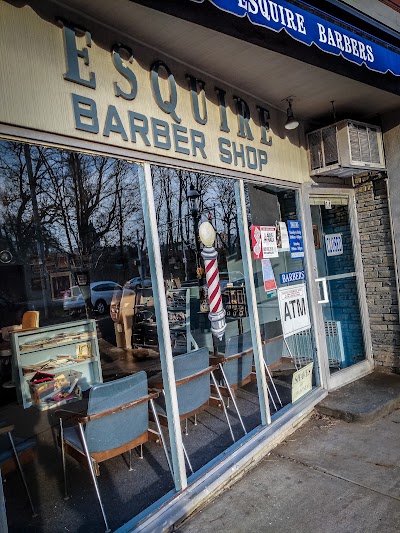
By that stage, the man often concludes he has sensitive skin and gives up on a close shave entirely. Frequently the skin is ordinary and the method was the problem all along. One properly executed shave, whether at a shop like Esquire Barber Shop where facial grooming and classic cuts are regular work, or at home using the shop's prep sequence with a fresh blade, demonstrates the difference in a single sitting.
Who should be careful, stated plainly
A shop razor shave is not for every face on every day. Broken or inflamed skin, active acne across the shaving zone, eczema or psoriasis in a flare, and a fresh sunburn are all reasons to reschedule rather than push through, because a blade over compromised skin spreads irritation. Men taking blood thinners, or using prescription acne or skin-thinning treatments, should say so when booking, since nicks bleed longer and treated skin reacts harder. None of this is a permanent verdict; it is a timing conversation, and a barber would rather have it than discover the situation mid-shave.
Bringing the method home
The shop shave's lessons transfer directly. Shave after a shower or after a hot towel, never on a dry face. Use real lather and enough of it. One pass with the grain, re-lather, one across. Replace blades on schedule instead of on failure. Cold rinse, then balm rather than an alcohol splash. Men who adopt even half of that sequence usually find their standing irritation fading within two weeks, which confirms the diagnosis: the skin was fine; the routine was the neglected part.
And keep the shop version in the rotation if you can. Beyond the result, a professional shave resets edges, catches ingrown problems early, and reminds your hands what the target feels like, which quietly improves every home shave that follows it.
Common questions
Is a straight-razor shave safe?
In trained hands, yes. Modern shops use a fresh sterile blade for each client, and the prep and technique are designed to minimize nicks. Tell your barber about medications or skin conditions beforehand so they can adjust.
Why do I get bumps every time I shave at home?
Usually a combination of dull blades, too much pressure, and cutting against the grain on unprepared skin, which slices curly hairs below the surface where they curl inward. Prep, sharp blades, and with-the-grain first passes fix most cases.
How often should I get a professional shave?
There is no required schedule. Many men book one for occasions, or every few weeks as a reset. If home shaving keeps going wrong, one shop shave is also the fastest way to learn what right feels like.
Photos in this guide are representative stock images.
← All guides from Esquire Barber Shop← Back to Esquire Barber Shop