If you have never deliberately changed your haircut for the season, the first fall in Monroe after a summer of tight fades usually teaches the lesson by itself: cold wind on bare sides, static that makes your hair stand off your head at the office, a scalp that flakes on every dark sweater. A seasonal switch is a small, planned set of changes, and doing it for the first time is simpler than it sounds. This walkthrough goes in the order the appointment and the weeks after it actually unfold.
What changes between summer and winter hair
Summer hair fights humidity and sweat; winter hair fights dryness and friction. Cold air holds little moisture, indoor heating strips more, and the result is hair that dries out, breaks more easily, generates static when hats and sweaters come off, and lies flatter and duller than it did in July. Short cuts expose more scalp to cold wind. Longer hair tangles and mats under collars and hoods. The winter version of your style accounts for all of that with a bit more length, a bit more moisture, and shapes that survive a hat.
- Start earlier than feels necessary. Book the transition cut in early fall. Hair grows about half an inch a month, so growing real winter length takes two visits, and starting in October puts the finished version in place when the cold does.
- Ask for the same style, one step longer. Keep your shape and identity; add length on the sides and back by a guard or two, and let the top grow toward its winter version gradually. A dramatic change in October is harder to correct than a staged one.
- Choose a hat-compatible shape. Texture over height, and a top that can be reset with fingers and a little water. Tell the barber about daily hats or helmets so the shape is built for compression, not destroyed by it.
- Clean the edges, keep the length. A grow-out looks intentional when the neckline and around the ears stay tidy. Edge maintenance at the transition visit is what separates growing it out from letting it go.
- Switch your wash rhythm at home. Wash a little less often if your scalp allows, use warm water rather than hot, and give conditioner a real minute to work. Winter dryness is a routine problem more than a product problem.
- Change one product, not the shelf. Move from light summer gel toward a creamier pomade or a leave-in conditioner if static and flyaways are your issue. Add beard oil if you wear a beard, since winter shows on beards first.
- Do the static check at two weeks. Hair lifting after a hat comes off, flakes on shoulders, and rough ends are the signals to adjust moisture, not length. Report them at the second visit so the winter cut is tuned, not just longer.
The first-timer's mistakes to skip
The common errors are all versions of impatience. Growing everything at once, including the neckline, produces six untidy weeks and a man who gives up and buzzes it in December. Cutting summer length off entirely and starting from nothing in January misunderstands the direction of the season. And buying a stack of winter products before adjusting the free things, water temperature, wash frequency, conditioning time, wastes the experiment, because you never learn which change did the work.
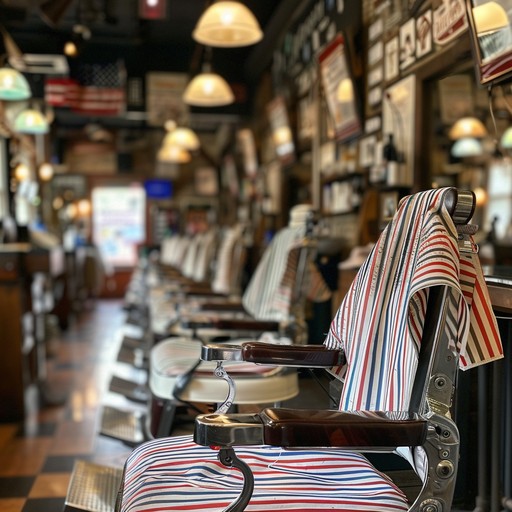
The shops that handle this well, including Esquire Barber Shop with its classic cuts and modern styles, treat the seasonal switch as two ordinary appointments with a plan between them. Nothing about it needs to be an event.
And when spring comes back
The switch reverses in March or April, and it reverses faster, because cutting length off takes one visit where growing it took two. Book the spring cut when humidity starts returning rather than after the first miserable week, bring the shape back down in a single appointment, and retire the heavier winter products before they start weighing warm-weather hair down. Men who run both switches on schedule find their hair looks deliberate all year, while men who run neither spend half of each season wondering why the same cut stopped working. It did not stop. The season changed, and now you have a plan for that.
Common questions
How much longer should a winter cut be?
Usually one or two guard steps longer on the sides and a modest amount on top. The goal is insulation and hat tolerance while keeping your style recognizable, not a new hairstyle.
Why does my hair have so much static in winter?
Dry hair in dry air picks up static charge from hats, sweaters, and brushing, and there is little moisture to discharge it. More conditioning, less hot water, and less frequent washing reduce it noticeably.
When should the fall transition start?
At your first cut in early fall. Two staged visits put the full winter version in place by the time cold weather settles in, without an awkward in-between stage during the holidays.
Photos in this guide are representative stock images.
← All guides from Esquire Barber Shop← Back to Esquire Barber Shop